Objective:
This article explores how the concept of the circular economy is becoming a transformative force within the soap noodles industry. Specifically, it examines the opportunities and challenges faced by Soap Noodles Exporters, manufacturers, and suppliers as they adopt circular economy principles to improve efficiency & reduce waste. The article is intended for professionals in the soap production sector, from manufacturers of Toilet Soap Noodles and Laundry Soap Noodles to those handling Soap Noodles Prices and ingredients. The content delves into how circular economy practices can be integrated into the soap noodles production process, offering benefits for both businesses and the environment.

Circular Economy in Soap Noodles Industry: A Path Forward
In the soap noodles industry, efficiency, cost-effectiveness and innovation are paramount. As the demand for high-quality soap products grows - ranging from Snow White Soap Noodles to multipurpose soap noodles - the industry faces increasing pressure to enhance production processes, reduce waste and consider its environmental impact. One of the most promising approaches to addressing these challenges is the adoption of the circular economy model.
The circular economy is an economic system designed to minimize waste and make the most of available resources. It contrasts with the traditional linear economy, which follows a "take, make, dispose" model. In the circular economy, products are designed for longevity, materials are reused and recycled and resources are continuously cycled back into the production process.
Incorporating circular economy principles into the soap noodles industry can not only improve the bottom line for Soap Noodles manufacturers but also contribute to the development of a more waste-reducing industry. This article explores how circular economy practices can be applied within the soap noodles sector and the benefits that can be realized from this paradigm shift.
Understanding the Soap Noodles Industry
Before delving into the circular economy in the soap noodles industry, it is essential to first understand the basics of soap noodles production. Soap noodles are the primary raw material used in the manufacturing of soap products. These noodles are made from a variety of ingredients such as oils, alkalis and fatty acids, which undergo a chemical reaction known as saponification.
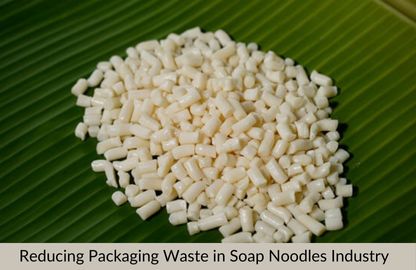
The result is a base material, typically in the form of small granular pellets that can be easily processed into different soap products. Soap noodles can be customized with different additives to create specialized soaps like Snow White Soap Noodles, which are known for their smooth texture and bright appearance.
Despite their versatility, the production of soap noodles involves significant resource use, including raw materials, energy and water. Additionally, the process generates waste, particularly in terms of by-products and packaging. The adoption of a circular economy can help to address these issues and create a soap noodles production process.
The Principles of Circular Economy and Their Application to Soap Noodles
In the context of soap noodles, a circular economy emphasizes the use of resources, minimizing waste generation and maximizing the reuse and recycling of materials. Key principles of the circular economy include designing for durability, reducing waste, reusing materials and recycling by-products.
Design for Longevity and Reuse
The first step in applying circular economy principles to the soap noodles industry involves redesigning the production process and products for longevity. For Soap Noodles Exporters and manufacturers, this means focusing on improving the quality of the raw materials used in the production of soap noodles, such as oils and fatty acids. By ensuring that these ingredients are sourced responsibly and have a longer shelf life, manufacturers can reduce waste and the need for frequent reordering of raw materials.
For instance, integrating high-quality ingredients into the formulation of multipurpose soap noodles may extend the product's effectiveness, thereby reducing waste by minimizing the need for additional chemicals or additives. Furthermore, producing soap noodles with longer-lasting properties can enhance the overall value of the final product, making it more appealing to consumers who are increasingly looking for durable and high-performance goods.
Minimizing Waste during Production
A critical aspect of the circular economy in soap noodles production is reducing waste. Traditional production processes often generate a substantial amount of by-products, from unused oils and chemical waste to packaging materials. By focusing on waste reduction, manufacturers can optimize their production processes and reduce the environmental impact of soap noodles manufacturing.
Implementing waste-minimizing technologies, such as water recycling systems, efficient chemical management and energy-saving practices, can help soap noodle manufacturers reduce their reliance on raw materials and minimize waste generation. By adopting technologies that allow for the reuse of by-products or waste materials, soap noodles manufacturers can further contribute to the circular economy model.
For example, unused or leftover soap noodles from production can be recycled and used to create new batches of soap noodles, helping to reduce the overall need for fresh raw materials. This also benefits Soap Noodles Suppliers, as it reduces operational costs associated with material procurement and waste disposal.
Reusing and Recycling Soap Noodles Ingredients
In the circular economy, the goal is to keep materials in use for as long as possible, extracting maximum value from them. Soap noodle manufacturers can incorporate this principle by exploring ways to recycle and reuse ingredients and by-products throughout the production process.
By utilizing closed-loop systems, soap noodles manufacturers can recycle unused soap noodles or remnants from production back into the system. This helps to reduce the need for new raw materials, such as oils and alkalis, thereby minimizing costs and resource consumption. Furthermore, it reduces the amount of waste sent to landfills, contributing to a production process.
Some soap noodle manufacturers have already started exploring the potential for recycling waste from soap production, such as glycerine or fatty acid by-products and reintroducing them into the manufacturing cycle. This can lead to cost savings while also reducing the overall environmental impact of the production process.
Reducing Packaging Waste
Packaging is a major contributor to waste in the soap noodles industry. Traditional packaging materials such as plastic and cardboard can end up in landfills, causing environmental harm. By adopting circular economy principles, soap noodles manufacturers can reduce the amount of packaging material used and explore alternatives that are either recyclable or biodegradable.
Some manufacturers are already transitioning to eco-friendly packaging for their Soap Noodles products, such as using recyclable paper or biodegradable plastics. In addition, larger bulk deliveries of soap noodles to customers, as opposed to individually packaged products, can help reduce packaging waste.
Economic and Environmental Benefits of Circular Economy in Soap Noodles
The application of circular economy principles in the soap noodles industry can bring several economic and environmental benefits, making it a compelling model for manufacturers, suppliers and exporters to adopt.
Economic Efficiency and Cost Reduction
By minimizing waste and improving the efficiency of resource use, circular economy practices can help reduce operational costs in the soap noodles industry. Recycling and reusing materials within the production process allows manufacturers to lower material costs while also minimizing waste disposal fees. Furthermore, reducing packaging and energy use can lower the overall costs associated with manufacturing soap noodles.
Soap Noodles Suppliers also stand to benefit from the circular economy model, as more efficient production processes lead to lower unit costs and improved profit margins. In addition, manufacturers who implement circular economy practices may be able to offer more competitive prices for their products, such as multipurpose soap noodles or Snow White Soap Noodles, which could lead to greater market share.
Environmental Impact Reduction
The circular economy model also has significant environmental benefits. By reducing waste, reusing materials and minimizing the consumption of raw resources, soap noodle manufacturers can see their environmental changes. Additionally, circular economy practices reduce the overall demand for raw materials, which helps conserve natural resources.
Moreover, circular economy principles help minimize the amount of waste that is sent to landfills, reducing environmental pollution. This can help soap noodles manufacturers comply with increasingly stringent environmental regulations and appeal to environmentally-conscious consumers.

Conclusion
The adoption of circular economy principles in the soap noodles industry offers an exciting opportunity for manufacturers, exporters and suppliers to improve resource efficiency and reduce waste. By rethinking production processes, focusing on the reuse and recycling of materials and reducing the environmental impact of packaging, the soap noodles industry can transition toward a more circular, environmentally-friendly model.
The shift to a circular economy can not only help companies reduce costs and improve competitiveness but also contribute to a cleaner, more promising future. As the soap noodles industry continues to innovate, embracing circular economy practices may well become a key differentiator, positioning companies as leaders in product excellence.