Objective:
This article provides an in-depth analysis of the Lauric Acid market, focusing on its global supply and demand dynamics, price trends and key producing regions. It also explores factors influencing Lauric Acid pricing, industrial demand across different regions, the impact of palm kernel and coconut oil shortages and the growing role of Lauric Acid in the bio-based chemicals market.

Global Market Overview of Lauric Acid: Supply, Demand and Price Trends
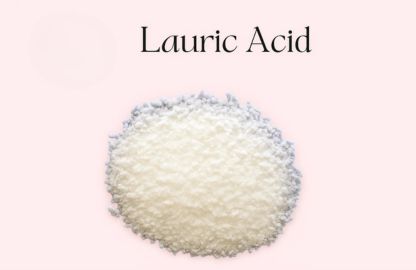
Lauric Acid, also known as Lauric Fatty Acid, is a saturated fatty acid primarily derived from palm kernel oil and coconut oil. It plays a crucial role in various industries, including personal care, food and industrial applications, due to its excellent properties as a surfactant, emulsifier and raw material in soap manufacturing.
Over the past decade, the global Lauric Acid market has experienced steady growth, driven by an increasing demand for bio-based ingredients in cosmetics, food products and detergents. The demand for Lauric Acid has been particularly strong in Asia, where palm kernel oil and coconut oil are abundant, while other regions, such as Europe and North America, are major consumers due to the growing trend of natural ingredients.
The price of Lauric Acid is influenced by various factors, including fluctuations in raw material costs (primarily coconut and palm kernel oil), transportation expenses and supply-demand imbalances. Despite the fluctuations, Lauric Acid remains a stable commodity due to its versatility and strong market demand.
Leading Producers and Export Hubs for Lauric Acid in Southeast Asia
Southeast Asia, particularly countries like Indonesia, Malaysia and the Philippines, dominates the production and export of Lauric Acid. These countries are rich in palm kernel oil and coconut oil, the primary feedstocks for Lauric Acid production. As a result, they serve as major hubs for both the manufacturing and export of Lauric Fatty Acid.
Indonesia and Malaysia are the leading producers of palm kernel oil, while the Philippines is a significant player in coconut oil production. Together, these countries form the backbone of the global Lauric Acid supply chain. Major Lauric Acid suppliers in these regions cater to both domestic markets and international demand, with a large portion of exports directed toward countries in North America, Europe and Asia.
The dominance of Southeast Asia in the Lauric Acid market has led to the establishment of numerous processing plants that refine palm kernel oil and coconut oil into Lauric Myristic Acid C1214. These regions' strategic positioning and favorable production capabilities make them central to the global Lauric Acid trade.
Trade Flow Analysis: Lauric Acid Imports and Exports Across Regions
The global trade flow of Lauric Acid is heavily influenced by the availability of raw materials, regional production capabilities and demand across different industries. Southeast Asia, as the leading supplier, exports substantial quantities of Lauric Fatty Acid to countries in Europe, North America and the Middle East, where demand for Lauric Acid in personal care, food and industrial applications is high.
In contrast, regions such as Europe and North America import Lauric Acid to meet domestic demand, as local production is limited due to the absence of large-scale palm kernel or coconut oil production. The growing demand for bio-based products in these regions further fuels the need for imported Lauric Acid, making Southeast Asia a key exporter to these markets.
Trade patterns are also influenced by the proximity of key markets to the producing regions. For example, countries in Asia Pacific, including Japan, South Korea and China, import significant volumes of Lauric Myristic Acid for use in manufacturing surfactants, detergents and personal care products. Meanwhile, the Middle East imports Lauric Acid for similar applications, as well as for use in the growing chemicals industry.
Factors Influencing Lauric Acid Pricing in the Global Oleochemical Market
The pricing of Lauric Acid in the global oleochemical market is influenced by several factors, the most significant being the cost of raw materials such as palm kernel oil and coconut oil. As these oils are the primary feedstocks for Lauric Fatty Acid production, fluctuations in their availability and prices directly impact Lauric Acid pricing.
Additionally, environmental factors, such as the impact of climate change on palm oil and coconut plantations, can cause price volatility. For example, weather-related disruptions in key producing regions, such as Southeast Asia, can lead to short-term supply shortages, driving up prices. Furthermore, changes in global trade policies, tariffs and regulations can affect the supply chain, leading to further price fluctuations.
Another important factor is the growing trend toward bio-based chemicals. As consumer preferences shift toward greener alternatives, the demand for Lauric Acid derived from palm kernel and coconut oils increases, further influencing pricing structures in the market.
Industrial Demand Drivers for Lauric Acid in Asia, Europe and the Middle East
The industrial demand for Lauric Acid is primarily driven by its wide range of applications, from soaps and detergents to bio-based chemicals and personal care products. In Asia, Lauric Myristic Acid is heavily utilized in the production of soaps, surfactants and detergents, with demand fueled by both domestic consumption and export needs.
The Middle East, with its rapidly developing industrial base, also presents a strong demand for Lauric Acid, especially in the production of detergents, soaps and chemicals. As the region seeks to diversify its economy and invest in industries, Lauric Acid has become a key ingredient in manufacturing bio-based chemicals, further increasing its demand.
How Palm Kernel and Coconut Oil Shortages Impact Lauric Acid Availability
Palm kernel oil and coconut oil are the primary feedstocks for Lauric Acid production. Therefore, any disruptions in the supply of these oils can significantly impact the availability of Lauric Myristic Acid C1214. For example, adverse weather conditions, such as droughts or floods in key producing regions, can lead to reduced yields of palm kernel and coconut oil, creating supply shortages in the global market.
In addition, the increasing global demand for palm oil and coconut oil for various applications, including food and biodiesel, has put additional pressure on supply chains. As a result, Lauric Acid suppliers may face challenges in securing a consistent supply of raw materials, which could lead to price hikes or limited availability of Lauric Fatty Acid.
Furthermore, palm oil production have led to increased scrutiny and regulatory measures aimed at reducing deforestation. These efforts could further impact the supply of palm kernel oil, influencing Lauric Acid availability and pricing dynamics.
The Role of Lauric Acid in the Growing Bio-Based Chemicals Market
Lauric Acid plays an integral role in the rapidly expanding bio-based chemicals market. As demand for renewable, environmentally friendly chemical products increases, Lauric Acid has emerged as a key building block for the production of various bio-based chemicals, such as surfactants, detergents, lubricants and emulsifiers.
One of the key advantages of Lauric Fatty Acid is its natural origin, derived from renewable resources like coconut and palm kernel oil. This makes it an attractive alternative to petrochemical-based products, which are facing growing regulatory and consumer pressure due to environmental concerns.
The use of Lauric Acid in the bio-based chemicals market is expected to grow significantly in the coming years as industries continue to shift towards best production practices. This shift is being driven by both regulatory requirements and changing consumer preferences.

Conclusion:
The Lauric Acid market is poised for continued growth, driven by strong industrial demand and the growing bio-based chemicals sector. As global supply and demand dynamics continue to evolve, understanding the key factors influencing pricing, production and trade flows will be critical for businesses and stakeholders in the Lauric Acid value chain.