

Europe continues to be one of the most dynamic destinations for Glycerine across pharmaceutical, food, cosmetic and industrial sectors. From premium skincare in France to food processing in Bulgaria and industrial blending in Moldova, both Refined Glycerine and Crude Glycerine 80% serve distinct but equally critical roles. For a Singapore-based Glycerine Exporter, understanding the regulatory landscape, buyer expectations and application-specific demand in each country is essential for long-term partnerships and consistent trade flows.
As European manufacturers focus on quality, traceability and performance standards, the choice between glycerine 99.7%, glycerine e422 and Crude Glycerine becomes highly strategic. Below is a country-wise insight into demand patterns, compliance requirements and supply opportunities across key European markets.
Refined Glycerine 99.7% USP Demand in Georgia’s Personal Care & Pharmaceutical Sector
Georgia’s pharmaceutical and personal care industries are gradually expanding, creating steady demand for refined glycerine 99.7%. Local manufacturers rely on high-purity glycerine 99.7% USP grade for formulations involving syrups, ointments, capsules and topical creams. The pharmaceutical segment requires strict adherence to pharmacopeia standards, making refined glycerine 99.7% a preferred ingredient due to its low impurity profile and consistent quality.
In personal care applications, Refined Glycerine acts as a humectant in lotions, shampoos and skin creams. Georgian cosmetic producers increasingly seek imports that comply with European documentation standards, including COA, MSDS and USP certification. A reliable crude glycerine supplier transitioning into refined grades can build long-term supply relationships here.
Demand is moderate but consistent, driven by growing domestic production rather than re-export. Competitive freight from Asia to Black Sea ports further supports Georgia as an emerging destination for glycerine 99.7 shipments.
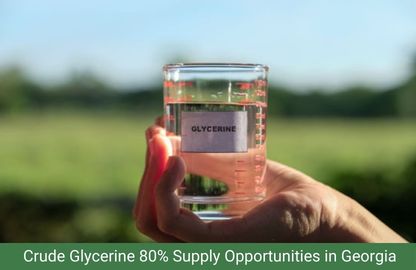
Crude Glycerine 80% Supply Opportunities for Georgia’s Industrial and Feed Applications
While pharmaceutical demand is rising, Crude Glycerine 80% serves Georgia’s industrial blending and animal feed industries. Crude Glycerine derived from biodiesel production is commonly used in feed formulations due to its energy value. Buyers typically prioritize cost efficiency, making crude glycerine price a central negotiation factor.
Industrial users utilize Crude Glycerine in antifreeze mixtures, chemical intermediates and combustion fuel blending. Unlike USP-grade material, purity levels are less stringent, but documentation regarding methanol content remains essential.
For exporters, positioning Crude Glycerine 80% with transparent specifications and competitive bulk pricing creates clear advantages. Georgia’s market may not be large in volume, but it offers steady repeat orders when supply consistency is maintained.
Glycerine E422 Food Grade Refined Glycerine Growth in Bulgaria’s Food Processing Industry
Bulgaria’s food manufacturing sector increasingly relies on glycerine e422 for confectionery, bakery and beverage applications. As a food additive, glycerine e422 functions as a humectant, sweetener and texture stabilizer. Bulgarian processors emphasize compliance with EU food safety regulations and traceability documentation.
Refined Glycerine used in food production must meet strict purity benchmarks. Demand has grown in processed desserts, chewing gums, flavored syrups and soft bakery items. Importers prefer long-term contracts with a dependable Glycerine Exporter capable of delivering consistent viscosity and clarity.
In this segment, glycerine uses extend beyond sweetness - it prevents crystallization and maintains moisture, particularly in packaged baked goods. Bulgaria’s strategic location within the EU makes it a gateway for regional distribution, increasing the attractiveness of food-grade glycerine supply partnerships.
Read Our Article
From Crude to Refined: The Refining Process of GlycerineRefined Glycerine USP Compliance Requirements for Bulgarian Cosmetic Manufacturers
Bulgarian cosmetic brands exporting across Europe require refined glycerine 99.7% USP compliance. Regulatory adherence under EU Cosmetic Regulation (EC) means traceability and quality documentation are non-negotiable.
Manufacturers use glycerine 99.7% in creams, serums, soaps and dermatological solutions. Even small variations in purity can affect texture and stability. This is why refined glycerine 99.7% sourced from experienced suppliers gains preference.
Buyers often request audit reports origin declarations and impurity profiling. For suppliers entering Bulgaria, aligning documentation and maintaining predictable crude glycerine price differences between industrial and refined grades helps secure credibility in the cosmetic value chain.
Crude Glycerine 80% Industrial Use Trends in Bosnia & Herzegovina
Bosnia & Herzegovina’s industrial sector primarily consumes Crude Glycerine 80% in chemical processing and energy blending. Biodiesel-linked industries often resell or reprocess Crude Glycerine into secondary chemical inputs.
Industrial users focus on cost-performance balance. Here, crude glycerine supplier relationships hinge on transparent methanol content and competitive freight structures. Price sensitivity remains high and bulk shipments via regional ports improve margin viability.
As infrastructure investments increase, industrial blending operations may expand, potentially increasing Crude Glycerine demand in the medium term.
Refined Glycerine USP Supply for Regional Soap & Detergent Production
Soap and detergent production in Bosnia & Herzegovina and neighboring regions relies on Refined Glycerine for moisture retention and product smoothness. Manufacturers producing transparent soaps especially favor glycerine 99.7% due to clarity and consistency.
Refined Glycerine improves lather stability and skin feel. Producers sourcing from Asia evaluate suppliers based on delivery reliability and impurity control. A Glycerine Exporter with stable production capacity can secure recurring business in this segment.
Our Other Products
Fatty Alcohol EthoxylatesRefined Glycerine 99.7% USP Demand in Croatia’s Premium Skincare and Pharma Manufacturing
Croatia’s premium skincare industry is gaining recognition, driving demand for refined glycerine 99.7%. High-end cosmetic brands prioritize ingredient purity and supplier traceability. Refined glycerine 99.7% USP grade supports anti-aging creams, serums and dermatological treatments.
Pharmaceutical manufacturers in Croatia also rely on glycerine 99.7% as a solvent and stabilizer in oral syrups and topical medicines. Compliance with EU pharmacopeia standards remains critical, pushing suppliers to maintain consistent quality metrics.
For exporters, Croatia offers value-driven rather than volume-driven opportunities, particularly in the premium segment.
Glycerine E422 Food Grade Glycerine Applications in Croatian Bakery and Beverage Processing
Croatian bakeries and beverage producers use glycerine e422 to maintain moisture and improve mouthfeel. In bakery applications, it prevents dryness in packaged cakes and pastries. Beverage companies utilize it as a sweetener and carrier agent.
Demand fluctuates seasonally, particularly during holiday baking periods. Suppliers who monitor these cycles can align shipment schedules effectively. Food processors expect strict compliance documentation and stable supply chains.
Refined Glycerine USP and Glycerine E422 Food Grade Market Trends in the UK Personal Care Sector
The UK remains one of Europe’s largest markets for Refined Glycerine. Personal care brands use glycerine 99.7% in skincare, haircare and hygiene products. At the same time, glycerine e422 plays a role in food and beverage formulations.
Post-Brexit compliance requires dual attention to EU and UK regulatory documentation. Buyers emphasize traceability and consistent lot quality. Premium brands often conduct supplier audits before approval.
For a crude glycerine supplier expanding into refined segments, the UK presents high standards but strong volume potential.
Crude Glycerine 80% Pricing and Supply Chain Strategy for UK Industrial Buyers
UK industrial buyers focus heavily on crude glycerine price and logistics efficiency. Crude Glycerine 80% is used in antifreeze blends, chemical processing and energy applications.
Bulk shipping in flexitanks or ISO tanks is common. Buyers prefer transparent pricing formulas tied to feedstock indices. Reliable freight planning is essential due to port congestion risks.
Refined Glycerine 99.7% USP Role in Czech Republic’s Pharmaceutical and Chemical Manufacturing
The Czech Republic’s pharmaceutical manufacturing base drives demand for refined glycerine 99.7%. Glycerine 99.7% serves as a stabilizer and excipient in syrups, capsules and topical formulations.
Chemical industries also use Refined Glycerine as an intermediate in resin and polymer production. Buyers emphasize quality uniformity and competitive contract pricing.
Glycerine E422 Food Grade Compliance and Labeling Expectations in Czech Food Industry
Czech food producers require glycerine e422 labeling compliance aligned with EU food regulations. Proper allergen declarations, additive codes and documentation are mandatory.
Food-grade Refined Glycerine supports confectionery glazing, dairy desserts and beverage stabilization. Importers expect clear documentation and batch traceability.
Refined Glycerine 99.7% USP Demand in France’s Luxury Cosmetics and Dermaceutical Market
France’s luxury cosmetic sector represents one of the most sophisticated markets for refined glycerine 99.7%. Premium dermaceutical brands require glycerine 99.7% USP with exceptional clarity and consistency.
French manufacturers conduct strict quality assessments. Ingredient origin transparency plays a strong role in supplier selection. High-value skincare products rely on Refined Glycerine for hydration and texture refinement.

Vegetable-Based Glycerine Supply Trends in the French Personal Care Sector
French buyers increasingly prefer vegetable-derived Glycerine for personal care lines. Traceability documentation and compliance with cosmetic safety standards remain decisive factors.
Refined Glycerine sourced from palm derivatives must align with EU regulatory norms. Suppliers focusing on consistent product specifications strengthen their competitiveness in this premium market.
Crude Glycerine 80% Industrial Consumption Trends in Moldova’s Chemical Processing Industry
Moldova’s chemical processing sector uses Crude Glycerine 80% in industrial blending and intermediate chemical production. Demand volumes are smaller compared to Western Europe but remain stable.
Buyers evaluate crude glycerine price carefully and often seek flexible shipment quantities. Transparent quality reporting supports long-term partnerships.
Our Other Products
Vegetable ShorteningRefined Glycerine Supply Opportunities for Moldova’s Small-Scale Manufacturers
Small-scale manufacturers in Moldova use Refined Glycerine in soaps, cosmetics and food processing. They typically import moderate volumes but require consistent quality.
A reliable Glycerine Exporter offering technical documentation and adaptable logistics can secure recurring supply contracts in this developing market.
Refined Glycerine 99.7% USP in Denmark’s Clean-Label Food and Nutraceutical Applications
Denmark’s food and nutraceutical industries demand refined glycerine 99.7% for clean-label applications. Glycerine 99.7% functions as a humectant and carrier in supplements and specialty foods.
Buyers expect full compliance documentation and traceability records. Quality and purity standards are particularly high in Scandinavian markets.
Glycerine E422 Food Grade Expectations in Scandinavian Markets
Across Scandinavia, Glycerine E422 must meet strict regulatory and labeling standards. Food producers prioritize additive transparency and consistent supply.
Refined Glycerine imports must align with EU regulations and local market expectations. Reliable logistics and documentation remain critical for exporters targeting this region.
Refined Glycerine vs Crude Glycerine: Choosing the Right Grade for European Buyers
Selecting between Refined Glycerine and Crude Glycerine 80% depends entirely on application. Pharmaceutical and food sectors require glycerine 99.7% with strict purity benchmarks. Industrial and feed sectors focus more on crude glycerine price and methanol limits.
Understanding glycerine uses across sectors allows suppliers to position the correct grade strategically. A balanced portfolio strengthens competitiveness across Europe.
Why Choose Olivia Oleo for Refined Glycerine & Crude Glycerin Supply in Europe
We at Olivia Oleo Pte Ltd deliver value across palm oil and oleochemical derivatives with over three decades of industry expertise. As a Singapore-based Glycerine Exporter, we specialize in Refined Glycerine, Crude Glycerine 80%, fatty acids, soap noodles and selected palm derivatives for edible and non-edible industries. Our management team closely monitors market information and seasonal dynamics to provide high-quality product recommendations and competitive pricing. With streamlined supply chain management and strong freight coordination, we serve customers across Europe, Asia and beyond. Our portfolio includes refined glycerine 99.7%, fatty alcohols and selected feed ingredients tailored to industrial and consumer applications.
Conclusion
European markets present diverse opportunities for Refined Glycerine and Crude Glycerine across pharmaceutical, food, cosmetic and industrial sectors. From glycerine e422 in Bulgaria’s food industry to refined glycerine 99.7% in France’s luxury cosmetics and Crude Glycerine 80% in Moldova’s chemical processing, each country reflects unique demand drivers.
For exporters, success depends on regulatory compliance, consistent quality, transparent crude glycerine price structures and efficient logistics. Aligning product grade with application ensures long-term partnerships and stable growth across the European glycerine landscape.