

Objective:
This article aims to explore the core factors that influence the global pricing of soap noodles - specifically multipurpose soap noodles, laundry soap noodles and toilet soap noodles. It provides a technical overview of the economic, industrial and chemical variables that affect prices across international markets, with insights into both manufacturing and supply aspects.

Introduction to the Soap Noodles Market
Soap noodles are the primary base for the production of various soap products, including laundry bars, toilet soaps and multipurpose cleansing solutions. Widely traded across regions, they represent a critical raw material for many small- and large-scale manufacturers. Given their importance, understanding the pricing mechanisms in international markets becomes essential for both soap noodles manufacturers and soap noodles suppliers. However, unlike standard consumer goods, soap noodles pricing can be complex due to multiple influencing variables. These variables may not only vary regionally but can also shift seasonally or based on industrial trends. This article deciphers these key price-determining factors in a structured and technical format.
Feedstock Raw Material Volatility
The primary determinant of soap noodles pricing originates from the feedstock materials used during production. These may include palm oil, palm kernel oil or coconut oil. The fluctuating prices of these fats and oils directly impact the base cost of manufacturing soap noodles.
Raw material markets are influenced by multiple global factors, including weather conditions affecting crop yields, trade restrictions, geopolitical dynamics and regional harvesting cycles. Since soap noodles manufacturers typically rely heavily on bulk procurement, any shift in the price of base oils may reflect immediately in the cost structure.
In particular, manufacturers of triple-soap noodles and toilet soap noodles often require a more refined or customized base, making them more susceptible to ingredient cost variations. As a result, soap noodles prices can show a high degree of correlation with commodity oil markets, leading to both short-term volatility and long-term pricing trends.
Refining and Processing Costs of Laundry Soap Noodles
Another vital aspect impacting pricing is the industrial refining process used to convert raw oils into soap noodles. This includes saponification, drying and homogenization processes. Each stage requires energy, skilled labor and specific technological inputs that may differ across manufacturing facilities.
The energy source used in these processes - whether electricity, steam or fuel - also plays a role in price formation. In countries where energy costs are higher or less stable, soap noodles prices may remain elevated compared to nations with subsidized industrial energy tariffs. Additionally, different grades of soap noodles (e.g., laundry soap noodles or toilet soap noodles) may undergo additional steps such as bleaching or deodorizing, which further increase processing costs.
Thus, differences in plant efficiency, equipment modernization and technology adoption among soap noodles manufacturers can create price disparities even within the same region.
Chemical Additives of Soap Noodles and Formulation Requirements
Soap noodles are rarely used in their purest form. Depending on the intended application - whether for toilet soaps or laundry purposes - they often include various chemical additives like colorants, fragrances and stabilizers. The choice and quality of these additives significantly influence final costs.
For example, high-quality laundry soap noodles may contain specific surfactants or binders that improve lathering and cleaning efficiency. The cost and availability of these components may vary, especially when imported or procured from specialized chemical suppliers.
This level of formulation flexibility can lead to pricing differences even for soap noodles that appear identical externally. Soap noodles suppliers may provide customized blends to manufacturers, each with its own cost implications. Additionally, compliance with international chemical safety standards or certifications may require the use of regulated ingredients, indirectly affecting price structures.
Regional Regulatory and Tariff Implications
International trade in soap noodles is subject to varying regulations, duties and tariffs that influence their market price. Some countries may impose import duties on soap noodles or the oils used in their production, which can alter competitive pricing models.
For instance, a soap noodles supplier operating in a free-trade zone may offer better rates due to reduced regulatory overheads. Conversely, manufacturers in high-duty countries may struggle with inflated costs, which are eventually passed down the chain.
Furthermore, soap noodles manufacturers in India or Southeast Asia may face export restrictions, quality compliance checks or documentation procedures that impact pricing in foreign markets. This makes regulatory environments a significant non-production-related factor in the pricing equation.
Customs policies, labeling requirements and taxation laws can introduce cost variables that are not always evident in raw material or production-based assessments.
Exchange Rate Dynamics and Currency Fluctuations
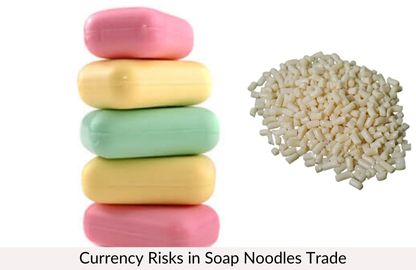
As soap noodles are heavily traded across borders, exchange rates become a central element of pricing. The value of currency against major international currencies like the U.S. dollar or Euro may affect both import and export pricing models.
Soap noodles suppliers operating in regions with unstable currencies may adjust prices frequently to hedge against devaluation. This affects not only buyers but also long-term contracts between manufacturers and international clients. Currency fluctuations may also lead to temporary imbalances in regional demand, as buyers seek more cost-effective sourcing options based on favorable exchange scenarios.
In markets where raw materials are imported but soap noodles are manufactured, double currency risks may be encountered - one affecting procurement and the other affecting sales. This complexity requires real-time financial modeling by soap noodles manufacturers to ensure profitability while maintaining competitive prices.
Multipurpose Soap Noodles: Market Demand and Product Differentiation
Demand variability across global regions also influences soap noodles pricing. Toilet soap noodles and laundry soap noodles may experience different demand cycles based on seasonal usage patterns, urbanization or hygiene campaigns initiated by governments or health agencies.
High demand typically leads to better margins for soap noodles suppliers, while oversupply may cause price corrections. In some cases, product differentiation plays a role. Premium-grade or triple-soap noodles tailored for specific applications may command higher prices than standard multipurpose soap noodles.
Product branding and end-use association also influence perception-based pricing. Even though the underlying chemical composition may be similar, differentiation in the eyes of manufacturers and consumers affects what buyers are willing to pay.
Soap Noodles Production Capacity and Economies of Scale
The ability of a soap noodles manufacturer to produce at scale may allow for cost savings that can be transferred to buyers. Facilities with higher production throughput can dilute fixed costs over larger volumes, reducing per-unit price.
Conversely, smaller producers may struggle with higher unit costs, particularly when operating under capacity or dealing with machinery inefficiencies. The regional concentration of manufacturing hubs - such as soap noodles manufacturers in India - can also lead to competitive clustering, which helps stabilize or even reduce prices due to market competition.
Production bottlenecks, breakdowns or labor shortages, however, can reduce available output, tightening supply and increasing prices temporarily or regionally.
Logistic Infrastructure and Transportation Costs of Soap Noodles
Transportation of soap noodles, which are usually sold in bulk quantities, requires efficient logistical support. Freight charges, port handling fees and inland transport contribute to the final delivered price, especially in landlocked or remote regions.
Regions with better connectivity or manufacturing proximity to port hubs generally offer more competitive pricing. Any disruptions in transport infrastructure - such as congestion, strikes or regulatory delays - may raise transportation premiums.
In certain cases, soap noodles suppliers may offer delivered pricing based on Incoterms (e.g., FOB, CIF), which introduces another layer of complexity in international transactions.
Technological Advancements in Soap Noodles Manufacturing
The adoption of automated systems, precision dosing and computer-controlled production lines enables some soap noodles manufacturers to maintain consistency in quality while minimizing waste and operational downtime.
Technological superiority not only improves yield but also allows for better cost control, leading to stable pricing even during raw material price fluctuations. Manufacturers leveraging innovation may achieve cost efficiency, which reflects in more competitive pricing, particularly for standardized products like laundry soap noodles.
On the other hand, legacy systems may require manual intervention, increasing the likelihood of variability in both quality and cost, thereby affecting market perception and pricing acceptability.

Conclusion
The pricing of soap noodles in the international market is shaped by a complex interplay of raw material costs, processing techniques, regulatory frameworks, logistical dynamics and market behaviors. From feedstock volatility to exchange rate fluctuations and competition-driven strategies, each factor can shift the balance in global pricing.
Understanding these multifaceted influences is essential not only for soap noodles manufacturers and suppliers but also for downstream industries that rely on stable and predictable input costs. While no single factor operates in isolation, a comprehensive awareness of these dynamics enables stakeholders to navigate the soap noodles market with greater precision and resilience.