

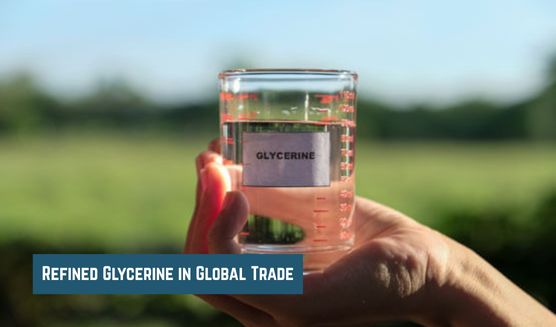
Refined glycerine (glycerol) is a versatile and valuable chemical used across various industries, including pharmaceuticals, cosmetics, food, biofuels, and oleochemicals. As global demand for refined glycerine continues to grow, exporters are looking to key markets to meet this increasing need. In this article, we will explore market insights, demand trends, top export destinations, and logistical considerations for exporting refined glycerine, including its key role in global industries.

Market Insights & Demand Trends
Which countries are the largest importers of refined glycerine in 2025?
In 2025, the largest importers of refined glycerine are expected to be the United States, Germany, China, India, and Japan. These countries have established industrial bases that rely heavily on refined glycerine for a variety of applications. The USA and Germany are significant consumers in the pharmaceutical, cosmetic, and food industries, while China and India are major players in the biofuel and oleochemical sectors.
Why is global demand for refined glycerine increasing across industries?
The global demand for refined glycerine is increasing for several reasons. As a by-product of biodiesel production, biofuels are creating more demand for glycerine. The cosmetics and personal care industries also contribute significantly, as glycerine is used in moisturizers, lotions, and skincare products. In the pharmaceutical sector, glycerine is used in the formulation of medicines, syrups, and skin treatments, further driving demand. Additionally, its application in the food industry, particularly in confectionery and food preservation, is also expanding.
How are industries like pharmaceuticals, cosmetics, and food driving refined glycerine demand?
The pharmaceutical industry relies on refined glycerine for making syrups, tablets, and topical formulations due to its non-toxicity and ability to stabilize formulations. The cosmetics industry uses glycerine as a moisturizer and humectant in skincare and haircare products, contributing to its high demand. Food manufacturers use glycerine in low-calorie products, baked goods, and as a sweetener, which further increases its consumption globally. As these industries continue to expand, especially in emerging markets, the demand for refined glycerine is expected to remain strong.
What’s the role of biofuel and oleochemical industries in refined glycerine consumption?
The biofuel industry, particularly the production of biodiesel, is a major consumer of refined glycerine. Glycerine is a by-product of biodiesel production, and its growing use in renewable energy production has led to higher supply and consumption levels. Additionally, the oleochemical industry, which produces fatty acids, soaps, and surfactants from natural oils, heavily relies on refined glycerine as a co-product in soap and detergent manufacturing.
How do seasonal and regional trends affect glycerine export volumes?
Seasonal and regional trends play a significant role in the export volumes of refined glycerine. For example, the demand for cosmetic products tends to rise in winter months, increasing glycerine consumption for moisturizers and skin care. Additionally, harvest seasons for biodiesel crops such as soybeans and palm oil in regions like Southeast Asia can influence glycerine production and export volumes. Regional trends also impact demand; for instance, glycerine demand in Asia-Pacific has been rising due to increasing industrialization, while European demand is influenced by regulations related to biofuel production.
Top Export Markets Analysis
Why is Southeast Asia (Indonesia, Malaysia, Thailand) a major market for refined glycerine?
Southeast Asia, particularly Indonesia, Malaysia, and Thailand, has emerged as a major market for refined glycerine due to the region’s strong presence in the biofuel and oleochemical industries. These countries are large producers of palm oil and other vegetable oils, which are key feedstocks in biodiesel production. As biodiesel production grows, so does the by-product of glycerine. The oleochemical industry in Southeast Asia also uses glycerine in the production of surfactants, soaps, and other consumer goods, making it a key region for glycerine exports.
What makes the USA and EU high-value destinations for refined glycerine exporters?
The USA and EU are high-value markets for refined glycerine due to their well-established demand in the pharmaceutical and cosmetic industries. The USA has a significant consumption of refined glycerine in personal care products, while the EU is known for its strong regulatory framework and demand for high-quality, compliant glycerine used in food and medical products. These markets also place significant importance on certifications such as Kosher, Halal, and Food Grade, making them lucrative but competitive destinations for exporters.
How is demand evolving in the Middle East and African markets for glycerine-based products?
In the Middle East and Africa, demand for glycerine-based products is gradually increasing as industrial sectors like pharmaceuticals, cosmetics, and biofuels continue to develop. The Middle East is becoming a growing market for refined glycerine, particularly due to its expanding cosmetic industry, while Africa’s demand is driven by growing healthcare needs and personal care products. Moreover, glycerine’s use in the production of medicated soaps and moisturizing creams is contributing to increased demand in these regions.
What are the import regulations and quality standards in Europe, the US, and the Middle East?
Each region has specific import regulations for glycerine:
- Europe: Imports of refined glycerine must comply with REACH (Registration, Evaluation, Authorization, and Restriction of Chemicals) regulations, ensuring that the glycerine meets EU health, safety, and environmental standards. Certification such as Food Grade or Pharma Grade is often required, depending on the intended use.
- USA: The FDA regulates glycerine used in food, cosmetics, and pharmaceuticals, ensuring that it adheres to safety and quality standards. Glycerine used in pharmaceuticals must be USP-grade (United States Pharmacopeia).
- Middle East: Glycerine imported into countries like the UAE and Saudi Arabia must meet GSO (Gulf Standardization Organization) regulations for safety and quality, particularly for food and cosmetic applications. Halal certification is also commonly required.
Which emerging markets (like South America or Eastern Europe) show future export potential?
Emerging markets in South America and Eastern Europe show significant potential for glycerine exports. Brazil is becoming a growing market due to its increasing biodiesel production and demand in the cosmetics and pharmaceutical industries. In Eastern Europe, countries like Poland, Russia, and Ukraine are experiencing industrial growth, which is driving demand for glycerine, especially for use in personal care and medical products.
Trade Data & Logistics Considerations
What is the HS Code for refined glycerine, and why is it important for global trade?
The HS Code for refined glycerine is 2905.45. This code is critical for international trade as it helps customs authorities classify and track glycerine shipments. Correctly labeling products with the right HS Code ensures smooth customs clearance and compliance with international trade regulations.
How do global pricing trends and raw material costs affect export profitability?
Global pricing trends for refined glycerine are influenced by fluctuations in raw material costs, such as the price of vegetable oils used in glycerine production (e.g., palm oil). When raw material costs rise, glycerine prices typically follow suit, affecting export profitability. Additionally, supply chain disruptions, such as those caused by geopolitical tensions or natural disasters, can lead to increased costs.

What kind of packaging and documentation are required for exporting refined glycerine?
Refined glycerine is typically packaged in drums, Flexi Bags and IBCs for large shipments. Documentation for exporting refined glycerine generally includes:
- Commercial invoice
- Packing list
- Certificate of origin
- Material Safety Data Sheet (MSDS)
- Customs declaration
How can exporters manage shipping and compliance in regulated markets?
Exporters can manage shipping and compliance by working closely with experienced freight forwarders and customs brokers who understand the regulations of target markets. Compliance with certifications, product labeling, and regional standards is crucial to avoid delays and fines.
Which certifications (Kosher, Halal, Food Grade, Pharma Grade, etc.) are preferred in various countries?
Depending on the market, certifications such as Kosher, Halal, Food Grade, Pharma Grade, and GMP (Good Manufacturing Practice) certifications are important. For example, Kosher and Halal certifications are essential for markets in the Middle East and Southeast Asia, while Pharma Grade certification is important for the US and EU markets in pharmaceutical and food applications.
In conclusion, the demand for refined glycerine 99.7% is rising globally, driven by key industries such as pharmaceuticals, cosmetics, food, and biofuels. Exporters must navigate varying import regulations, market-specific certifications, and logistical requirements to successfully tap into high-demand markets like Southeast Asia, the US, the EU, and emerging markets in Africa and South America. As the global demand for glycerine continues to grow, understanding market trends and managing compliance will be critical for maintaining a competitive edge.