

Objective
This article aims to shed light on the reasons why Southeast Asia dominates the soap noodle market, focusing on factors such as cost efficiency, raw material availability, production capabilities and strategic market positioning. By understanding these dynamics, businesses in the soap noodle industry can better assess the role of Southeast Asia in shaping global trends in soap noodle production.
The soap noodle market plays a pivotal role in the global soap manufacturing industry, with Southeast Asia emerging as the dominant player in this space. Countries like Singapore, Indonesia, Malaysia and Thailand, have become key hubs for the production and distribution of soap noodles due to several factors, including favorable production conditions, strategic market access and the presence of major soap noodles manufacturers.
In this article, we will explore why Southeast Asia is the leader in the soap noodle market, examining key factors that have contributed to its dominance. We will focus on the advantages Southeast Asia offers for soap noodles suppliers, the local production environment and the strategic role of Southeast Asian nations in the global soap noodle supply chain.

Southeast Asia’s Strategic Positioning in the Soap Noodle Market
Southeast Asia’s dominance in the soap noodles market can be attributed to its strategic geographic location, abundant resources and established manufacturing infrastructure. As a major exporter of raw materials like palm oil, the region has a significant advantage in producing Soap Noodles that meet the demands of both domestic and international markets.
Abundant Raw Materials
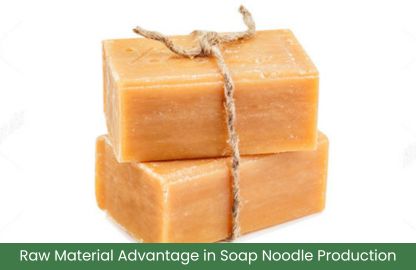
One of the primary factors contributing to the dominance of Southeast Asia in the soap noodle market is its access to essential raw materials. Soap noodles ingredients often include vegetable oils like palm oil, coconut oil and palm kernel oil, all of which are abundantly available in Southeast Asian countries.
- Palm Oil: Countries like Malaysia and Indonesia are two of the largest producers of palm oil, a key ingredient in soap production. Palm oil is widely used in the production of Laundry Soap Noodles, due to its cost-effectiveness and versatility.
- Coconut Oil: Widely available in countries like Philippines and Indonesia, coconut oil is a key ingredient for producing premium soap noodles such as Swing Soap Noodles, which are often used in personal care and cosmetic products.
Access to these raw materials allows soap noodles manufacturers in Southeast Asia to produce high-quality products at competitive prices.
Cost Efficiency and Competitive Pricing of Soap Noodles
Soap noodles price is a crucial factor that influences market dominance. Southeast Asia’s efficient production processes, combined with the availability of inexpensive raw materials, allow soap noodles suppliers in the region to offer competitive pricing on a global scale.
Low Production Costs
The lower labor and operational costs in Southeast Asia contribute to the region’s ability to produce soap noodles at a fraction of the cost compared to other regions. Additionally, Southeast Asian countries benefit from large-scale production facilities, which further reduce costs by increasing economies of scale.
For example, Singapore, as a hub for major soap noodles, providing an ideal environment for Soap Noodles Manufacturer businesses due to its favorable business climate, established trade agreements and low operational costs. These benefits enable companies to keep their soap noodles prices competitive, making their products more attractive to international buyers.
Bulk Production Capabilities
The Southeast Asian region has vast manufacturing capacities, capable of producing large volumes of soap noodles to meet both local and global demand. This scale of production is particularly beneficial for industries that require soap noodles in bulk, such as laundry detergent manufacturers and commercial cleaning companies.
The ability to produce large quantities efficiently also helps to stabilize soap noodles price in international markets, ensuring consistency and reliability for buyers.
Innovation and Technological Advancements in Soap Noodle Production
Another reason for Southeast Asia’s dominance in the soap noodle market is the region’s focus on technological advancements and innovation in soap noodle production. Many soap noodles manufacturers in Southeast Asia invest heavily in state-of-the-art equipment and technology to improve the production process, increase efficiency and meet the growing demands of global customers.
Automation in Production
Modern soap noodle production lines in Southeast Asia utilize highly automated systems that streamline the manufacturing process. This automation helps increase production efficiency, reduce human error and lower production costs. With cutting-edge technology, suppliers can produce a variety of soap noodles types, including White Soap Noodles, all with consistent quality.
Research and Development
Many Southeast Asian manufacturers, particularly in countries like Singapore and Malaysia, focus on research and development (R&D) to improve the quality of their soap noodles. This innovation has led to the production of specialized products like Multipurpose Soap Noodles, designed to meet the needs of specific industries such as cosmetics and personal care.
Access to International Markets and Trade Agreements
Southeast Asia is home to several strategic trade agreements that help suppliers access global markets with ease. For example, Singapore, which serves as a key hub for the soap noodle industry, benefits from its position as a major shipping and logistics center. The country has established free trade agreements (FTAs) with several key markets, including the European Union, the United States and China, facilitating the export of soap noodles across the world.
Major Exporters in the Region
- Singapore: Serving as the global hub for many soap noodle manufacturers, Singapore's logistics infrastructure allows for efficient distribution of soap noodles to global markets.
- Indonesia & Malaysia: These countries play a significant role in producing and exporting soap noodles to global markets, thanks to their access to raw materials like palm oil and coconut oil.
These strategic locations, combined with favorable trade policies, give Southeast Asia an edge in capturing a significant share of the global soap noodle market.

Demand for Soap Noodles in Emerging Markets
The growing demand for affordable personal care products, especially in emerging markets, also contributes to Southeast Asia's dominance in the soap noodles market. The rising population and increasing disposable incomes in regions such as Africa, South Asia and Latin America are driving the demand for soap noodles in both the laundry and personal care segments.
Growing Markets for Soap Noodles
- Africa: The demand for affordable cleaning and personal care products in Africa has led to an increase in soap noodle imports from Southeast Asia.
- South Asia: With a large population and rising consumer demand for personal care products, countries like India and Bangladesh have become key markets for Southeast Asian soap noodles.
The ability of Southeast Asian manufacturers to supply large quantities of high-quality soap noodles at competitive prices makes them well-positioned to serve these growing markets.
Future Outlook for the Southeast Asian Soap Noodle Market
As the demand for soap noodles continues to grow globally, Southeast Asia is expected to maintain its leadership position in the industry. The region’s strong manufacturing capabilities, access to raw materials, technological advancements and strategic market positioning make it well-equipped to meet the future needs of both established and emerging markets.
Opportunities for Growth
With increasing demand for personal care products and laundry detergents, the soap noodle market in Southeast Asia is poised for continued growth. Manufacturers are focusing on innovation, expanding their product portfolios and entering new markets to capitalize on the rising demand for soap noodles globally.
Conclusion
Southeast Asia’s dominance in the soap noodle market is driven by its strategic advantages, including access to essential raw materials, cost-effective production processes, technological innovation and favorable trade policies. Countries like Singapore, Malaysia and Indonesia have established themselves as key players in the production and export of soap noodles such as Laundry Soap Noodles.
As the global demand for soap noodles continues to grow, Southeast Asia is likely to remain a dominant force in the industry, with its efficient manufacturing capabilities and strong market connections paving the way for continued success.