

Margarine Market in Japan: Clean-Label Demand for Premium Bakery Applications
Japan’s margarine market is defined by precision, refinement and high technical expectations. Buyers are not simply importing Margarine; they are sourcing performance, reliability and ingredient transparency. Clean-label formulations with minimal additives are strongly preferred, especially for premium bakery production. Japanese bakeries use margarine in shokupan, laminated pastries and delicate desserts where neutral flavor and smooth mouthfeel are critical.
A Margarine Manufacturer entering Japan must focus on low-trans formulations, stable emulsification systems and consistent melting behavior. Even minor batch variation can impact automated bakery processes. Buyers often request detailed COA documentation including peroxide value, moisture content and slip melting point. A Margarine Supplier must therefore prioritize lab consistency and strict quality controls.
In addition, Japanese food producers frequently compare margarine substitute options against butter performance. The product must deliver similar aeration, texture and structure without overpowering the final taste profile. Trust is built through punctual shipments, responsive technical support and complete documentation transparency.
For any Margarine Exporter, Japan represents a premium but demanding opportunity where quality always outweighs price.

Margarine Packaging Trends in Japan: Retail Tubs vs Foodservice Blocks
Bakery and foodservice buyers prefer 10kg–20kg carton blocks optimized for industrial handling. A Margarine Wholesale strategy targeting Japan must therefore support dual-channel supply: retail-ready SKUs and foodservice formats.
Japanese buyers also assess pallet configuration and carton durability. Since warehousing standards are advanced, importers expect precise stacking dimensions and minimal product deformation during transit. A Margarine Manufacturer that offers flexible portion formats gains an edge in this structured market.
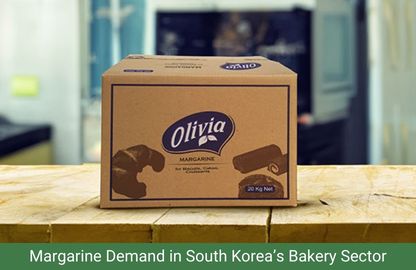
Margarine Demand in South Korea: K-Bakery and Dessert Expansion
South Korea’s bakery sector has expanded rapidly with the rise of café culture and visually appealing desserts. Croissants, cream-filled breads and layered pastries drive strong demand for high-performance Margarine designed for lamination.
A Margarine Supplier entering Korea must understand that plasticity and folding performance are central requirements. Croissant production requires a product that maintains structural integrity during repeated sheeting cycles. Buyers frequently request detailed solid fat index data and melt curve analysis.
In addition, Korean importers show interest in margarine substitute formulations that are non-hydrogenated and align with evolving health-conscious trends. A reliable Margarine Exporter must offer consistent batches and technical adaptability to seasonal temperature changes.
The market rewards suppliers who combine technical expertise with stable logistics and distributor partnerships.
Lamination-Grade Margarine Specifications Required in South Korea
Korean bakery manufacturers operate highly automated lines, meaning margarine inconsistency becomes immediately visible in final products. Buyers typically evaluate:
- Plastic range between 10°C and 20°C
- Melting point around 34°C–38°C
- Strong layer separation during lamination
- Oxidative stability for extended shelf life
A Margarine Manufacturer may collaborate with a margarine stearin supplier to fine-tune formulation structure and improve layering strength. Packaging must also support chilled storage when required.
Repeat orders in Korea depend heavily on performance repeatability rather than just price competitiveness.
Margarine Strategy in the Philippines: Balancing Price and Volume
The Philippines represents a high-volume yet price-sensitive margarine market. Economy SKUs dominate retail shelves, while bakeries purchase bulk cartons for bread production. A Margarine Wholesale approach here must prioritize cost efficiency without sacrificing essential quality benchmarks.
Retail buyers favor 1kg and 2kg packs, while foodservice operators typically source 15kg–20kg cartons. Pandesal producers and local bakeries consume significant quantities, making bulk agreements attractive for a Margarine Exporter.
Flexible MOQs and freight optimization are crucial. A Margarine Manufacturer that streamlines container loads and offers competitive pricing structures builds long-term importer loyalty in this market.
Distribution Channels for Margarine in the Philippines: HORECA and Wholesalers
Unlike highly consolidated markets, the Philippines relies heavily on bakery wholesalers and HORECA distributors. Building relationships with regional distributors provides better penetration than focusing solely on retail chains.
A Margarine Supplier must align product offerings with bakery usage patterns. Stability in warm storage conditions and predictable delivery cycles are more important than premium branding. Consistency and accessible pricing drive repeat purchasing decisions.
Margarine Imports in Sri Lanka: Managing Currency and Landed Cost Risk
Sri Lanka’s import environment requires careful cost management due to currency volatility. Importers closely monitor freight fluctuations and exchange rates when sourcing Margarine.
A margarine exporter serving Sri Lanka should consider shorter pricing validity windows or negotiated contracts to reduce risk exposure. Mixed container shipments combining Vegetable Shortening and Margarine help reduce freight burden.
Efficient logistics planning and transparent pricing breakdowns build trust in this economically sensitive market.
Bakery-Focused Margarine Demand in Sri Lanka
Demand in Sri Lanka centers on bread, buns and cake production. Industrial bakeries prefer blocks with stable melting points suited to tropical temperatures.
Retail margarine plays a smaller role compared to foodservice demand. A Margarine Manufacturer targeting Sri Lanka should emphasize texture stability and shelf-life performance under warm storage conditions.
Margarine Market Growth in Vietnam: Industrial Bakery Contracts
Vietnam’s industrial bakery sector continues expanding, creating strong B2B opportunities for Margarine Exporters. Large-scale factories demand consistent batch quality and disciplined COA documentation.
Vietnamese buyers assess free fatty acid levels, moisture percentages and oxidation indicators before approving contracts. The margarine suppliers must deliver technical reliability and timely shipments to secure multi-year agreements.
Consistency is the foundation of trust in this fast-growing market.
Our Other Products
Soap Noodles - SWSN, MSN, LSNShelf Stability Considerations for Margarine in Vietnam’s Humid Climate
Humidity presents oxidation risks during storage and transit. The margarine manufacturers should use protective inner liners, controlled container ventilation and antioxidant systems to maintain product integrity.
Proper warehousing coordination and pallet stacking methods reduce spoilage risk. Climate-adjusted formulation helps ensure stable shelf life.
Margarine Trade in Nepal: Cross-Border Logistics Planning
Nepal’s imports are closely linked to India-based supply corridors. Transit timing and documentation accuracy are critical for a Margarine Exporter entering this landlocked market.
Smaller distributors prefer mixed loads due to limited warehouse capacity. Flexible order sizes and dependable scheduling improve importer confidence.
Retail vs Bakery Margarine Mix in Nepal
Bakery demand outweighs retail consumption in Nepal. Bread and confectionery producers require affordable yet stable margarine substitute options.
A Margarine Supplier should focus on balancing pricing with dependable performance, ensuring easy handling and moderate melting points suitable for local production conditions.
Margarine Imports in India: Compliance and Labeling Requirements
India enforces strict documentation and labeling standards. A Margarine Manufacturer must ensure batch traceability, ingredient transparency and regulatory alignment before shipment.
Indian buyers expect clear origin documentation and labeling that meets local food authority standards. Administrative preparedness determines market entry success.
Margarine Segmentation in India: QSR, Biscuits and Bakeries
India’s food industry segments demand differently:
- QSR chains prefer non-hydrogenated margarine substitute.
- Biscuit manufacturers seek stable shortening blends.
- Industrial bakeries require lamination-grade Margarine.
Understanding specification differences enables a Margarine Exporter to customize supply effectively.
Margarine Imports in Central Asia: Tajikistan and Transit Strategy
Tajikistan depends on transit routes through neighboring countries. Longer lead times require buffer stock planning and careful forecasting.
Affordability-driven SKUs dominate, particularly for bakery and confectionery production. Competitive pricing and reliable scheduling define success.

Distributor-Led Margarine Entry in Turkmenistan
Turkmenistan relies heavily on established distributors. Selecting partners with strong regional coverage is essential.
Because shipping cycles can be lengthy, a Margarine Supplier must coordinate safety stock planning and accurate demand forecasting.
Private Label Margarine Opportunities in Uzbekistan
Retail chains in Uzbekistan increasingly request private label Margarine. Consistent sensory profile and stable formulation are crucial for brand trust.
A Margarine Manufacturer that supports packaging customization and long-term supply consistency gains retail partnerships.
Industrial Margarine Demand in Kazakhstan
Kazakhstan’s large bakeries and food processors consume bulk blocks and industrial-grade Margarine. Climate variation influences storage decisions between cold-chain and ambient formats.
A Margarine Wholesale approach focusing on 20kg cartons and predictable monthly shipments performs well here.
Margarine Distribution in Kyrgyzstan
Kyrgyzstan operates through small-to-mid distributors handling mixed container loads. Flexible MOQs and responsive complaint handling strengthen relationships.
Payment clarity and repeatable quality are key importer expectations.
Our Other Products
Distilled Coconut Fatty AcidMargarine Positioning in Australia: Plant-Based and Premium Retail
Australia’s market emphasizes plant-based positioning, non-hydrogenated formulations and allergen clarity. Label discipline and compliance accuracy are essential for retail approval.
Premium packaging and strong branding influence shelf performance. A Margarine Exporter must align with strict regulatory standards and transparent ingredient declarations.
Export Playbook for Asia: Customizing Margarine Specifications by Market
A successful Margarine Export strategy requires country-specific adaptation. Climate, regulatory frameworks, bakery preferences and purchasing power vary widely across Asia.
Key actions include:
- Adjust melting point according to regional temperature.
- Offer flexible pack sizes for retail and industrial users.
- Maintain detailed COA documentation.
- Optimize freight and container planning.
- Provide consistent batch quality across shipments.
Collaboration with reliable Margarine Suppliers and technical partners ensures formulation precision and dependable supply.
Common Buyer Checklist Across Asia
Across markets, buyers consistently evaluate:
- Certificate of Analysis accuracy
- Shelf life stability
- Packaging durability
- Minimum order quantity flexibility
- Batch-to-batch repeatability
- Competitive freight structures
Meeting these expectations strengthens importer confidence and builds long-term trade relationships.
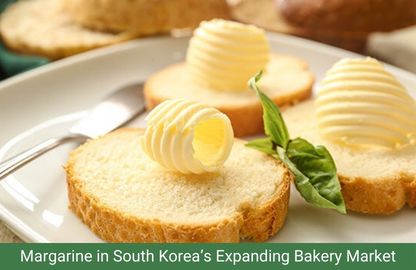
Why Choose Olivia Oleo for Margarine Export Success across Asian Markets
We at Olivia Oleo Pte LTD deliver value across palm oil and derivative solutions with over three decades of industry experience. As a Singapore-based company, we combine strong market intelligence, competitive pricing and streamlined supply chain management to serve global buyers efficiently. Our edible portfolio includes Margarine, Vegetable Shortening, RBD Palm Olein and Hydrogenated Palm Kernel Oil, alongside selected oleochemical solutions. With a knowledgeable management team and a focus on consistent quality, optimized freight and responsive customer service, we support importers, distributors and food manufacturers across diverse international markets.
Conclusion
Expanding Margarine exports across Asia requires more than competitive pricing; it demands market-specific customization, regulatory readiness and precise logistics execution. Each country presents unique buyer expectations, from clean-label demand in Japan to high-volume industrial needs in Kazakhstan. A reliable Margarine Manufacturer or Margarine Supplier must prioritize consistency, documentation discipline and climate-appropriate formulations. Strong distributor partnerships and flexible packaging strategies further strengthen long-term positioning. With structured planning and technical adaptability, a Margarine Exporter can build stable, repeat-driven growth across diverse Asian markets. Strategic alignment between product specs, freight planning and buyer requirements ultimately defines export success.