
Objective
As the global oleochemical supply chain tightens ahead of 2026, the Middle East has emerged as a high-value destination for Palm Kernel Fatty Acid Distillate (PKFAD). Driven by a dual engine of industrial expansion and population growth, the region is no longer just an oil exporter but a burgeoning hub for soap manufacturing, animal feed production, and oleochemical derivatives.
For manufacturers and exporters in Southeast Asia and South America, the Middle East offers a unique arbitrage opportunity. While Europe tightens its doors with the EUDR (Deforestation Regulation), the Middle East remains a pragmatic, price-sensitive, and volume-hungry market. This article provides a granular, market research analysis of 11 key nations, offering a strategic blueprint for PKFAD suppliers targeting this region in 2026.
Regional Market Dynamics: Why PKFAD?
In the Middle East, PKFAD is primarily utilized in three critical sectors:
- Soap Manufacturing: As a cost-effective alternative to Coconut Fatty Acid (CFA) or Crude Palm Kernel Oil (CPKO) for boosting lathering properties in laundry and multipurpose soaps.
- Animal Feed: As a high-energy fat source for poultry and dairy cattle, particularly in Saudi Arabia and Egypt.
- Oleochemicals: As a feedstock for mid-cut fatty acids (Lauric/Myristic) used in detergents and industrial cleaners.
The market is projected to grow at a CAGR of roughly 2.5% to 4.7% across the region through 2030, driven by food security initiatives (feed) and hygiene demands (soap).
Related Article: Distilled Coconut Fatty Acid Market Dynamics: Pricing, Demand Cycles, and Global Supply Chain Trends

Country-Specific Market Analysis
Turkey: The Industrial Heavyweight
- Market Status: Dominant Consumer & Re-exporter
- Key Application: Soap Noodles, Oleochemicals, Cosmetics.
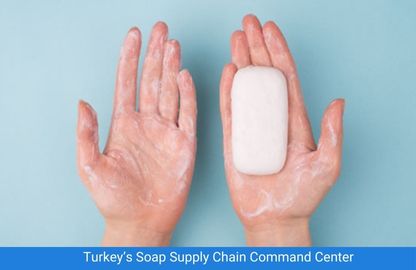
- Research Insight: Turkey is the undisputed leader in the region, consuming nearly 50% of the Middle East’s soap volume. With a robust manufacturing base in Gaziantep and Istanbul, Turkish manufacturers aggressively import PKFAD to blend with tallow and palm stearin.
- 2026 Outlook: Turkey acts as the "factory of Europe/Middle East." Suppliers should target large oleochemical refineries here. The demand is for High-TFM PKFAD (min 95%) to ensure quality for export-grade soaps. Turkey is also a key transit route to CIS countries and Iraq, making it a volume-driven market where price competitiveness is paramount.
Saudi Arabia: The Animal Feed Giant
- Market Status: High Volume, Feed-Focused
- Key Application: Animal Nutrition (Poultry/Dairy), Industrial Detergents.
- Research Insight: Saudi Arabia is the largest and most mature animal feed market in the Middle East. With government mandates to secure food sources, the poultry sector is booming. PKFAD is highly valued here as a "Rumen Bypass Fat" precursor and energy booster in feed premixes.
- 2026 Outlook: The market is shifting towards Feed Grade PKFAD. Exporters should certify their products for Calcium Salt production. Additionally, the industrial detergent sector in Jeddah requires steady supplies of Lauric-rich distillates for manufacturing heavy-duty degreasers for the oil and gas industry.
Egypt: The Price-Sensitive Manufacturer
- Market Status: High Volume, Cost-Conscious
- Key Application: Laundry Soap, Poultry Feed.
- Research Insight: As the second-largest feed producer in the region, Egypt has a massive appetite for low-cost energy sources. Simultaneously, its population of over 100 million drives immense demand for affordable laundry soap.
- 2026 Outlook: Currency fluctuation is the biggest hurdle here. Exporters must offer flexible payment terms. The demand is specifically for unrefined or semi-refined PKFAD that local factories can process cheaply. There is a growing trend of replacing expensive Coconut Oil with PKFAD in local soap formulations to keep retail prices low.
Our Other Product: Oils & Fats
UAE: The Re-Export Hub
- Market Status: Trade Logistics & Premium Processing
- Key Application: Re-export, High-End Personal Care, Biodiesel.
- Research Insight: The UAE has the highest per capita soap consumption in the region. However, its real value lies in its Free Zones (Jebel Ali). It serves as the blending and distribution center for the entire GCC and East Africa.
- 2026 Outlook: Demand for Certified PKFAD is emerging here faster than the rest of the region due to the presence of multinational FMCG brands. Suppliers should pitch PKFAD as a biodiesel feedstock as the UAE pushes for greener aviation and marine fuels.
Iraq: The Reconstruction Opportunity
- Market Status: Emerging, High Potential
- Key Application: Basic Laundry Soap, Detergents.
- Research Insight: Post-conflict reconstruction has led to a resurgence in local manufacturing to reduce import reliance. Iraq’s consumer base is young and growing, creating a "Greenfield" opportunity for basic hygiene products.
- 2026 Outlook: Iraq is currently importing finished soap noodles from Turkey and Malaysia. However, local factories are coming online in Basra and Baghdad. These new entrants need Technical Support alongside raw materials. Exporters who provide "formulation recipes" for using PKFAD in soap noodles will win long-term loyalty.
Jordan: The Niche "Green" Market
- Market Status: Quality-Focused, Moderate Volume
- Key Application: Natural Soaps, Dead Sea Products, Industrial Cleaning.
- Research Insight: Jordan’s soap industry is unique; it blends mass-market needs with high-value "Dead Sea" mineral soaps. While the premium sector uses olive oil, the industrial sector relies on imported fatty acids.
- 2026 Outlook: Import of soap and raw materials is growing steadily. The opportunity here is for refined PKFAD that can be used in hybrid formulations—blending affordable PKFAD with local oils to create mid-tier consumer soaps.
Lebanon: The Artisanal & Industrial Split
- Market Status: Niche, Import-Reliant
- Key Application: Traditional "Laurel" Soap alternatives, Detergents.
- Research Insight: Lebanon has a rich history of soap making (Tripoli soap). However, economic challenges have pushed consumers toward cheaper industrial soaps.
- 2026 Outlook: Due to economic volatility, Lebanese buyers are looking for smaller shipment sizes (LCL) rather than bulk tankers. They prefer high-purity PKFAD that requires minimal processing, as energy costs for local refining are prohibitive.
Related Article: Hydrogenated Palm Kernel Oil in Cosmetics Enhancing Texture, Stability & Skin Feel
Kuwait: The High-Spec Consumer
- Market Status: Low Volume, High Value
- Key Application: Institutional Detergents, Specialty Chemicals.
- Research Insight: Kuwait has limited manufacturing but high consumption of industrial cleaning agents for the oil/hospitality sectors.
- 2026 Outlook: The focus here is on Distilled Fatty Acids. Suppliers should target the institutional cleaning chemical manufacturers who need PKFAD derivatives for foaming agents in industrial detergents.
Oman: The Industrial Portal
- Market Status: Growing Industrial Base
- Key Application: Oilfield Chemicals, Animal Feed.
- Research Insight: Oman is diversifying away from oil into manufacturing. Its proximity to key shipping routes makes it an attractive alternative entry point to the GCC.
- 2026 Outlook: Look for buyers in the Oilfield Chemical sector. PKFAD derivatives are used in drilling muds and surfactants. The growing aquaculture sector along the coast also presents a niche for PKFAD-based feed additives.
Bahrain: The Processing Niche
- Market Status: Specialized Processing
- Key Application: Re-export, Niche Manufacturing.
- Research Insight: Bahrain has shown remarkable export growth in intra-regional trade. Though small, its manufacturers are agile.
- 2026 Outlook: A steady market for PKFAD drums rather than bulk. Ideal for suppliers who can consolidate shipments with other chemical inputs.
Azerbaijan: The CIS Link
- Market Status: Emerging Industrial
- Key Application: Construction Chemicals, Low-end Soaps.
- Research Insight: Sitting at the crossroads of Eastern Europe and West Asia, Azerbaijan is modernizing its chemical industry.
- 2026 Outlook: Demand is linked to the construction boom (concrete additives using fatty acids) and basic hygiene. Azerbaijan often sources from Turkey/Russia, so direct suppliers from Asia need to offer superior logistics (e.g., rail freight via Georgia or ) to compete.
Our Other Product: Fatty Alcohol
Competitive Landscape & Pricing Trends
The Middle East market is price-sensitive but increasingly quality-aware.
- Main Competitors: Indonesia and Malaysia dominate the supply, but new players from West Africa are entering.
- Pricing: PKFAD typically trades at a discount to CPKO (Crude Palm Kernel Oil). In 2026, expect Middle Eastern buyers to aggressively negotiate based on FFA (Free Fatty Acid) content.
- Low FFA (<50%): Will sell at a premium to soap manufacturers in Turkey/UAE.
- High FFA (>70%): Will be absorbed by the animal feed sectors in Saudi Arabia and Egypt.

Strategic Recommendations for Manufacturers & Exporters
- Segment Your Offering: Do not sell "generic" PKFAD.
- Sell "Feed Energy Booster" grade (High FFA) to Saudi/Egypt.
- Sell "Soap Noodle Base" grade (Lighter color, saponifiable) to Turkey/Iraq.
- Logistics is King: For landlocked or difficult markets like Iraq and Azerbaijan, offer DDP (Delivered Duty Paid) services to reduce the buyer's risk. For the GCC, ISO Tanks are preferred over flexibags due to heat risks.
- Technical Sales: In emerging markets (Iraq, Lebanon), provide "formulation support." Teach them how to blend 20% PKFAD with 80% Palm Stearin to create a quality soap noodle—this knowledge transfer creates customer lock-in.
- Halal Certification: While PKFAD is vegetable-based, ensure all documentation explicitly states "Free from Porcine/Animal Derivatives" to comply with strict Halal import codes in Saudi Arabia and Kuwait.
Conclusion
The Middle East in 2026 is not a monolith. It is a mosaic of mature industrial giants (Turkey, Saudi) and hungry emerging markets (Iraq, Egypt). Success lies in understanding these nuances—pitching energy to the feed millers in Riyadh, lather to the soap makers in Gaziantep, and purity to the cosmetic labs in Dubai. Manufacturers who view PKFAD not just as a by-product, but as a tailored industrial solution for these specific national needs, will dominate the region.