

The global oleochemical industry has undergone a noticeable shift over the past decade and Palm Fatty Acid Distillate has emerged as one of the most traded derivatives within this space. In the United States and Canada, demand patterns are evolving due to biofuel mandates, industrial applications and changes in consumer product manufacturing. Palm Fatty Acid Distillate, often categorized alongside Distilled Palm Fatty Acid and other palm fatty acids, plays a vital role as a feedstock in biodiesel, soap production and chemical formulations.
North America has traditionally relied on domestic animal fats and soybean oil derivatives for industrial use. However, fluctuating feedstock availability and cost competitiveness have opened doors for increased PFAD imports, particularly from Southeast Asia. Singapore, serving as a strategic trading hub, has become a significant origin point for Palm Fatty Acid Distillate Exporters supplying the U.S. and Canadian markets.
The growth trajectory is closely tied to regulatory incentives, renewable fuel standards and the broader shift toward alternative feedstocks. As market participants seek cost-effective and versatile raw materials, Palm Fatty Acid Distillate stands out for its adaptability and pricing advantage. Import volumes have reflected this shift, with steady increases in shipments directed toward biodiesel refineries and oleochemical manufacturers across North America.

Palm Fatty Acid Distillate Growing Demand for PFAD in the USA and Canada
The rising demand for Palm Fatty Acid Distillate in the USA and Canada is not a random spike - it’s the result of structural changes in industrial consumption. Biodiesel producers are constantly evaluating feedstock economics and PFAD often presents a competitive alternative to traditional vegetable oils. As crude oil price volatility continues, companies are leaning toward diversified raw material sourcing.
In the United States, the Renewable Fuel Standard (RFS) has indirectly encouraged the use of various lipid-based feedstocks, including palm fatty acids. Canadian provinces, especially British Columbia and Ontario, have introduced low-carbon fuel standards that support increased bio-based blending. This regulatory push drives interest in imported materials such as Palm Fatty Acid Distillate.
Another driver is the personal care and cleaning product industry. Manufacturers prefer stable and cost-efficient fatty acid inputs for soap noodles and surfactants. When domestic supplies tighten, importers look to Southeast Asian markets, where production capacity is robust.
The market is not solely price-driven. Quality consistency, free fatty acid content and moisture specifications are crucial. Buyers in North America demand strict documentation and traceability, which established Exporters from Singapore are well-positioned to provide. This combination of regulatory alignment, price competitiveness and product reliability explains why import volumes are expected to maintain upward momentum.
Palm Fatty Acid Distillate in North America’s Biodiesel Sector: Applications and Future Growth
Within the biodiesel sector, Palm Fatty Acid Distillate functions as a valuable low-cost feedstock. Biodiesel production relies on fatty acids or triglycerides and PFAD - rich in free fatty acids - fits efficiently into this process. Compared to refined vegetable oils, it offers an economic advantage, especially during periods of high soybean oil prices.
In the U.S., biodiesel refineries located in the Midwest and Gulf Coast regions have increasingly diversified feedstock baskets. They often blend animal fats, used cooking oil and palm fatty acids to optimize yield and cost. Canadian facilities, though fewer in number, follow a similar approach.
Looking ahead to 2026–2030, the future growth prospects remain strong. Electrification of transport will impact fuel markets, but heavy-duty transport, aviation biofuel research and marine fuels still present significant opportunities. Distilled Palm Fatty Acid and related derivatives may play a part in advanced biofuel formulations.
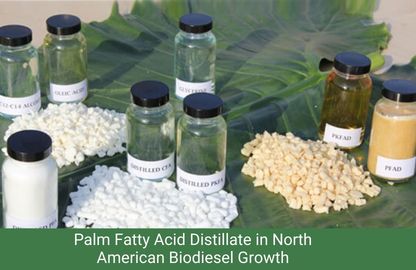
However, growth will depend on trade policies and feedstock classification under renewable fuel credits. Clear categorization determines credit value, which in turn affects import attractiveness. If regulatory recognition remains favorable, Palm Fatty Acid Distillate could continue expanding its footprint in North America’s biodiesel mix.
Read Our Article
Role of Distilled Coconut Fatty Acid in Biodiesel ProductionPalm Fatty Acid Distillate Regulatory Requirements for Export to the USA and Canada
Exporting Palm Fatty Acid Distillate to North America requires strict compliance with customs, environmental and chemical safety regulations. In the United States, imports must align with Environmental Protection Agency (EPA) guidelines when used for fuel production. Documentation verifying feedstock origin and composition is mandatory.
Customs classification typically falls under specific HS codes associated with fatty acid distillates. Accurate labeling as Distilled Palm Fatty Acid or Palm Kernel Fatty Acid Distillate ensures smooth clearance. Misclassification can result in delays or penalties.
Canada enforces similar import documentation through the Canada Border Services Agency (CBSA). Additionally, chemical products must comply with the Canadian Environmental Protection Act (CEPA) when applicable.
Quality certificates, safety data sheets and detailed packing lists are essential. Bulk shipments often require tank cleaning certificates and inspection reports before discharge at U.S. or Canadian ports.
For Singapore-based Palm Fatty Acid Distillate Exporters, maintaining a proactive compliance strategy is critical. Staying updated on regulatory amendments reduces shipment disruptions and builds trust with North American buyers.
Palm Fatty Acid Distillate Market Outlook 2026–2030: Trade Between Singapore and North America
Trade between Singapore and North America is expected to strengthen through 2030. Singapore’s role as a global trading hub allows efficient consolidation of palm fatty acids from Indonesia and Malaysia before re-export.
Forecast models indicate moderate but steady growth in demand. Biodiesel mandates, industrial soap manufacturing and chemical intermediates will continue absorbing volumes. Price competitiveness relative to soybean oil will remain a decisive factor.
Freight rates and currency fluctuations will also shape trade flows. When ocean freight stabilizes, palm fatty acid distillate becomes more attractive for long-distance shipment. Forward contracts and hedging strategies will likely increase among importers to manage price risk.
Strategic partnerships between North American buyers and Palm Fatty Acid Distillate Exporters in Singapore can create long-term supply stability. As both markets adapt to evolving energy and manufacturing trends, bilateral trade is positioned for consistent expansion.
Palm Fatty Acid Distillate Role in the USA Soap and Detergent Manufacturing Industry
The U.S. soap and detergent industry relies heavily on fatty acid derivatives. Palm Fatty Acid Distillate serves as a feedstock for soap noodles and surfactants, forming the backbone of many cleaning products.
Manufacturers value its consistent fatty acid profile. When converted into sodium salts, palm fatty acids create hard soaps with stable lathering properties. Detergent producers also use derivatives in emulsifiers and surface-active agents.
As consumer demand for cost-effective cleaning solutions grows, producers seek stable raw material pricing. Importing Distilled Palm Fatty Acid from Southeast Asia helps offset domestic supply fluctuations.
In Canada, similar patterns exist, though at a smaller scale. Regional manufacturers often import through U.S. distribution hubs. This integrated supply chain strengthens North American reliance on global PFAD trade.
Our Other Products
Fatty AlcoholPalm Fatty Acid Distillate Import Duties, HS Codes and Compliance in the USA and Canada
Import duties for Palm Fatty Acid Distillate vary based on classification and trade agreements. The correct HS code typically aligns under fatty acid distillates or industrial fatty acids.
The United States may apply standard tariffs unless preferential agreements reduce rates. Canada’s tariff schedule similarly depends on origin and product description.
Compliance goes beyond duties. Accurate invoicing, bill of documentation and chemical composition reports are mandatory. Importers must also meet storage and handling guidelines.
Working with experienced customs brokers ensures smooth processing. For Palm Fatty Acid Distillate Exporters, transparent documentation enhances credibility and minimizes risk.
Palm Fatty Acid Distillate Opportunities for Exporters Targeting North America
Opportunities in North America extend beyond biodiesel. Chemical manufacturers, feed producers and personal care brands all utilize palm fatty acids.
Exporters can differentiate themselves through:
- Competitive freight contracts
- Consistent quality assurance
- Flexible shipment volumes
- Transparent pricing mechanisms
Singapore-based suppliers are strategically positioned due to port infrastructure and financial services. By aligning with regulatory requirements and offering tailored supply contracts, exporters can secure long-term partnerships.
Palm Fatty Acid Distillate Impact of Renewable Fuel Policies on U.S. Demand
Renewable fuel policies significantly influence demand. The Renewable Fuel Standard allocates credits for bio-based fuels, indirectly shaping feedstock selection.
When credit values rise, biodiesel producers increase output, boosting Palm Fatty Acid Distillate imports. Conversely, policy uncertainty can dampen buying activity.
State-level programs also matter. California’s Low Carbon Fuel Standard has ripple effects nationwide. Feedstocks with favorable carbon intensity scores gain preference.
Monitoring policy updates remains essential for traders and exporters aiming to anticipate demand shifts.
Palm Fatty Acid Distillate Supply Chain and Logistics for Bulk Shipment
Bulk shipment of Palm Fatty Acid Distillate typically occurs in heated tankers. Maintaining appropriate temperature prevents solidification during transit.
Key logistics considerations include:
- Tank cleanliness certification
- Port storage availability
- Heating facilities at discharge terminals
- Insurance coverage
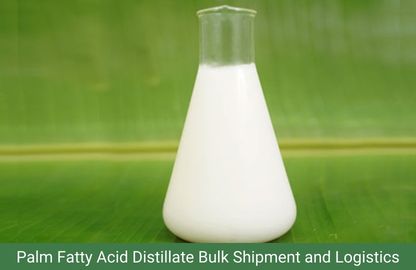
Transit time from Singapore to U.S. Gulf ports averages several weeks. Efficient scheduling reduces demurrage costs and ensures timely delivery to biodiesel plants or chemical facilities.
Palm Fatty Acid Distillate Price Trends and Market Analysis in the USA
Price trends for Distilled Palm Fatty Acid correlate with crude palm oil markets. When crude prices rise, PFAD values generally follow.
Other influencing factors include:
- Soybean oil price movements
- Freight rates
- Currency exchange fluctuations
- Biodiesel credit values
Market analysts expect moderate price volatility through 2030. Importers often secure forward contracts to mitigate exposure.
Palm Fatty Acid Distillate How Trade Policies Influence Exports to North America
Trade policies shape the competitive landscape. Tariff adjustments, anti-dumping investigations or new trade agreements can alter cost structures overnight.
Positive diplomatic relations between Southeast Asia and North America encourage smoother trade flows. Transparent compliance reduces scrutiny and delays.
Exporters who remain agile and informed about policy shifts maintain a competitive edge.
Distilled Palm Fatty Acid and Palm Kernel Fatty Acid Distillate: Product Variations and Market Positioning
Distilled Palm Fatty Acid differ in fatty acid composition. Palm-based variants contain higher palmitic content, while kernel-based derivatives feature more lauric acid.
This compositional difference affects end-use applications. Soap manufacturers often prefer specific profiles depending on product formulation. Biodiesel plants evaluate free fatty acid levels and impurity content.
Understanding these nuances allows exporters to position products effectively in North America’s diverse industrial landscape.

Palm Fatty Acid Distillate Competitive Landscape and Key Market Players
The competitive landscape includes Southeast Asian producers, global trading houses and regional distributors. Singapore plays a central trading role, aggregating supply from Indonesia and Malaysia.
Large biodiesel corporations and multinational chemical firms dominate purchasing volumes. Long-term contracts and strategic storage hubs define competitive dynamics.
Reliability, compliance and pricing transparency remain decisive factors in supplier selection.
Why Olivia Oleo Is a Reliable PFAD Supply Partner for the US & Canadian Oleo chemical Industry
Olivia Oleo Pte LTD is a Singapore-based company focused on delivering value across palm oil and derivative markets. With over three decades of management expertise, the company combines market insight with competitive freight solutions to serve customers globally. Olivia Oleo supplies oleochemicals such as fatty acids, fatty acid distillates, refined glycerine and soap noodles, along with selected edible oils like RBD Palm Olein and RBD Coconut Oil. The company emphasizes streamlined supply chain management, aggressive pricing strategies and strong customer service. By understanding product lifecycle dynamics and seasonal trends, Olivia Oleo positions itself as a reliable partner for buyers seeking consistent quality and dependable shipments.
Conclusion
Palm Fatty Acid Distillate continues to gain traction within the United States and Canadian oleochemical industries. From biodiesel production to soap manufacturing, its versatility and cost structure make it a valuable industrial input. Regulatory frameworks, renewable fuel policies and trade agreements significantly influence import patterns.
Singapore-based exporters play a pivotal role in bridging Southeast Asian production with North American demand. As market conditions evolve toward 2030, strategic compliance, logistical efficiency and competitive pricing will determine long-term success. Businesses that remain informed and adaptable will be best positioned to capitalize on expanding opportunities in the PFAD trade corridor.