In the soap noodles industry, where the product is a largely standardized commodity, success is not solely determined by price per ton or Total Fatty Matter (TFM). Instead, lasting market leadership is forged through meticulous branding and strategic marketing. For Manufacturers, Exporters, and Suppliers, the goal is to transcend the transactional nature of the B2B (Business-to-Business) market and build a brand identity that signifies unwavering reliability, and quality assurance. This comprehensive approach requires aligning physical attributes like packaging with digital marketing efforts and high-impact trade show presence.

Branding Strategies for Soap Noodle Suppliers
Effective B2B branding for soap noodles centers on establishing a reputation as a trusted, consistent, and low-risk partner, rather than focusing on consumer-style emotional appeal.
Defining the Core Value Proposition
Every successful brand must stand for something specific. For soap noodles, this often translates to:
- Consistency and Purity: The primary concern of any buyer (soap manufacturer) is the consistency of the chemical composition (TFM, moisture, free alkali). The brand promise should be "Guaranteed Specification Compliance batch after batch.
- Reliability and Supply Chain Resilience: The brand should assure buyers of its capacity to deliver bulk orders on time, navigate complex logistics, and maintain stock during supply chain disruptions. This translates directly to reduced operational risk for the client.
Read Our Article: Choosing the Right Grade: A Guide to Laundry Soap Noodles TFM Percentages
The Power of Differentiation Through Certification
Since the product is physically standardized, external certifications become key brand assets.
- Certifications as Trust Signals: Highlighting certifications such as ISO 9001 (Quality Management), ISO 14001 (Environmental Management), Halal, Kosher, and Vegan Society approvals immediately differentiates a supplier. These logos are not just regulatory checks; they are powerful marketing tools that address client compliance needs directly.
- Specialization Branding: Create specific sub-brands for niche products. For instance, branding a Hypoallergenic Grade of soap noodles with a clean, medical-style aesthetic, or creating a sub-brand for 100% Vegan Noodles helps target distinct customer segments.
Visual Identity: Simplicity and Professionalism
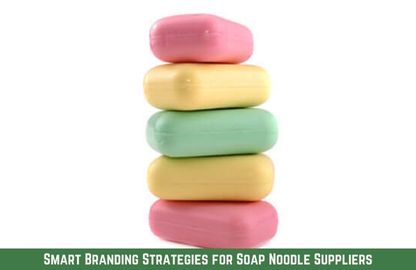
The brand identity—logo, color palette, typography—should convey competence and stability.
- Color Palette: Use clean, professional colors (blues, greens, white) that evoke purity, cleanliness, and responsibility.
- Messaging: The language must be precise, technical, and benefit-driven. Focus on terms like stability, high-yield, pure, consistent, and certified. Avoid overly broad or abstract consumer language.
Our Other Product: Distilled Fatty Acids
How Packaging Design Influences B2B Soap Noodle Buyers
For B2B buyers, packaging is not a marketing tool in the retail sense, but a functional extension of quality control and logistics management. Effective packaging design must prioritize information, safety, and durability.
Durability and Protection
- The Primary Function: The packaging (typically 25kg or 1000kg woven polypropylene bags with inner liners) must withstand rough handling, high stacking pressure, and extreme climate fluctuations (humidity and heat) during international transport. Breakage or moisture ingress immediately results in financial loss and quality compromise for the buyer.
- Design for Climate: Using UV-resistant, multi-layer laminated bags is a packaging feature that communicates reliability to Exporters dealing with long transit times and tropical climates.
Information and Traceability
The exterior of the packaging is the last checkpoint for quality assurance before the noodles enter the client's manufacturing line.
- Clear Labeling: Mandatory information must be displayed prominently and legibly:
- Product Name and Grade (e.g., TFM 78/22 Premium Palm Noodle)
- Batch/Lot Number: Essential for client traceability and quality recalls.
- Net Weight and Tare Weight
- Key Certifications (RSPO, ISO, etc.)
- Handling Instructions (e.g., "Store in a Cool, Dry Place")
- QR Codes: Implementing QR codes that link directly to the Certificate of Analysis (COA) for that specific batch allows for instant verification by the client’s quality team, dramatically boosting trust and efficiency.
Aesthetic Uniformity
Even in B2B, a clean, uniform look across all bag sizes and grades suggests a professional, organized manufacturing process. Consistent branding on the packaging reinforces the quality image every time a bag is unloaded at the client's warehouse.
Read Our Article: Multipurpose Soap Noodles : Global Market Trends- Demand and Supply Dynamics
Trade Fair & Expo Strategies for Soap Noodle Exporters
While digital marketing generates leads, Trade Fairs and Expos (like the in-cosmetics Global, Gulfood, or regional chemical expos) remain the ultimate setting for closing deals, vetting partners, and showcasing physical quality.
Strategic Booth Design and Setup
The booth should reflect the brand's core value: reliability.
- Focus on Clarity: The booth should prominently display the company name and core offering (e.g., "Global Bulk Soap Noodle Exporters - Certified RSPO").
- Technical Showcase: Instead of just visuals, showcase samples of various noodle grades, complete with clear, labeled specifications and small, easy-to-read printouts of the COA for each. A dedicated station for testing transparency (e.g., a simple lab setup demonstrating TFM measurement) can be highly impactful.
Pre-Show and Post-Show Engagement
- Targeted Outreach: Use the expo attendee list to schedule private, focused meetings with high-value targets (Bulk Buyers, large Traders) well in advance.
- Follow-Up Efficiency: Use a digital system to capture contact information and specific needs immediately at the booth, ensuring personalized follow-up emails are sent within 48 hours containing the relevant product specs and pricing.
Vetting Distributors and Brokers
Expos are essential for meeting and assessing new brokers and regional Distributors. This physical interaction allows Exporters to gauge their professionalism, market knowledge, and financial stability—factors that are impossible to assess digitally.
Our Other Product: Oils & Fats
Storytelling in Soap Noodle Branding
While soap noodles are technical, their origin story is powerful. Storytelling transforms the product from a chemical base into a purpose-driven ingredient.
The Narrative
The most compelling story in this industry is the journey from the palm tree to the noodle.
- Focus on the Farm: Share videos and photographs of plantations, focusing on worker welfare and environmental preservation. Showcase the "closed loop" manufacturing process where by-products are reused.
- Connect to the End User: Tell the story of how choosing your RSPO-certified noodles helps your client's brand meet its environmental goals, which, in turn, appeals directly to the final consumer. The story makes the client's decision easier and more justifiable.

The People and the Process
Humanize the brand by focusing on the expertise behind the product.
- Highlight Quality Control: Showcase the meticulous laboratory process, the experienced chemists, and the specialized equipment. This story reinforces the claim of "batch-to-batch consistency" by showing the commitment to quality control that prevents issues like rancidity or off-spec TFM.
- The Heritage Story: If the company has a long history in the oleochemicals or soap industry, leverage that heritage to underscore long-term reliability and deep industry knowledge.
By integrating a clear brand identity with functional, information-rich packaging, targeted digital outreach, and professional trade show execution, soap noodle suppliers can successfully rise above the commodity fray, build high-value partnerships, and secure their future in the highly competitive global market.