
The global soap noodles market, the bedrock of the bar soap industry, is undergoing a quiet but profound transformation. Once a purely commodity-driven sector focused on high-volume, low-cost production, the market is now fragmenting, driven by changing consumer preferences for specialized products and the accelerating impact of digital technology on B2B trade. For Manufacturers, Exporters, and Wholesale suppliers in this sector, understanding these strategic shifts is key to securing future profitability and growth.

Opportunities in Niche Soap Noodle Segments
The primary path to escaping the commoditization trap is specialization. Modern consumers are increasingly reading ingredient labels, pushing finished soap brands to demand specific, value-added noodle bases. This shift creates significant opportunities in niche segments:
Organic and Natural Soap Noodles
- The Demand: Driven by the clean beauty movement, consumers seek soaps free from synthetic detergents, petrochemicals, and unnecessary additives. This requires soap noodle manufacturers to use certified organic sourced oils (e.g., organic palm, coconut, or olive oil).
- The Strategy: Certifying the supply chain and manufacturing process is crucial. Wholesalers and Traders specializing in these ingredients can command premium pricing, as the cost of organic feedstock is inherently higher.
Vegan Soap Noodles
- The Demand: A subset of the natural market, veganism prohibits all animal-derived ingredients, ruling out common animal fats like tallow, which is a traditional ingredient in many soap noodle formulations.
- The Strategy: Manufacturers must exclusively use vegetable oils (100% palm oil, palm kernel oil, or a blend of both). Distributors and Dealers can target brands with certified base material.
Hypoallergenic and Sensitive Skin Noodles
- The Demand: Consumers with sensitive skin, allergies, or conditions like eczema require soap bases with minimal irritants. This means eliminating potential allergens, often requiring high-purity, low-additive, and fragrance-free noodles.
- The Strategy: This niche focuses on process purification, ensuring minimal residual free alkali and bulk purity. Exporters can position these noodles for the baby care and medical dermatological markets, where product quality scrutiny is highest.
Read Our Article: Innovations in Laundry Soap Noodles Grade: What's New in the Market?
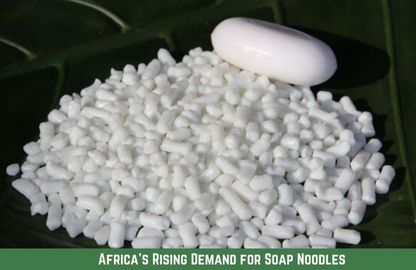
How Emerging Markets in Africa Are Creating New Demand
The continent of Africa represents one of the most dynamic and fastest-growing regions for soap consumption, particularly for basic sanitation and hygiene products. This massive, expanding consumer base creates distinct demand patterns for soap noodles.
- Hygiene Imperatives: Public health campaigns and population growth drive consistent, high-volume demand for affordable bar soap. This demand often favors the lower-cost, standard TFM (Total Fatty Matter) noodles, making Wholesale suppliers and Manufacturers focused on efficient, large-scale production highly competitive.
- Local Manufacturing Growth: Governments across countries like Nigeria, Kenya, and Egypt are incentivizing local manufacturing to reduce reliance on imports. This has led to the emergence of numerous regional soap factories, who require reliable local Distributors and Dealers to supply bulk quantities of soap noodles quickly and consistently.
- Logistics and Reliability: The challenges of infrastructure mean that Traders and Exporters who can manage complex logistics, ensure prompt delivery, and offer flexible payment terms are highly valued by African manufacturers. Establishing reliable local broker partnerships is essential for penetrating this diverse and fragmented market.
Differentiating Your Soap Brand through Specialty Soap Noodles
For finished soap brands, the choice of the noodle base is a critical business strategy for product differentiation, directly influencing marketing claims and consumer appeal.
| Noodle Type / Specialization | Brand Differentiation Focus |
|---|---|
| High TFM (80%+) Noodles | Marketed as “Premium,” “Luxury,” or “Moisturizing.” Supports claims of greater durability and richness. |
| Transparent / Translucent Noodles | Used for specialty “Glycerin-Look” bars. Appeals to consumers seeking aesthetics and a gentler wash. |
| Noodles with Added Exfoliants | Contains pre-mixed materials (e.g., oatmeal, shea butter pieces). Saves manufacturers a processing step and enables “all-in-one” ingredient claims. |
| RSPO Certified Noodles | Used for “Green” branding. Appeals to environmentally conscious consumers and supports premium pricing. |
Read Our Article: Soap Noodle Manufacturing & Global Distribution Route
Soap noodle manufacturers must function as innovation partners, offering specialty blends and certifications that allow their clients (the soap brands) to stand out in a crowded retail environment.

Digital Transformation Trends in Soap Noodles Trading
The traditionally relationship-driven and opaque world of B2B soap noodle buying and trading is rapidly being digitized, changing how Wholesalers and buyers interact.
Digital Sourcing Platforms
Online B2B marketplaces and specialized chemical sourcing platforms are becoming major transaction points.
- Transparency: These platforms offer immediate price discovery, making market data more transparent and reducing the advantage of long-standing informational broker relationships.
- Global Reach: Small-to-medium-sized soap noodle distributors can now directly reach Manufacturers and buyers globally without relying on extensive physical sales networks. This lowers the barrier to entry for new Exporters.
E-commerce and Direct B2B Buying
The most significant trend is the adoption of e-commerce principles for bulk purchasing:
- Request-for-Quote (RFQ) Automation: Platforms allow buyers to quickly submit detailed specifications (TFM, moisture, fatty acid profile) and receive automated quotes from multiple certified Manufacturers or Wholesalers.
- Supply Chain Visibility: Advanced systems provide real-time tracking, quality documentation (Certificates of Analysis - COA), and compliance paperwork digitally, greatly simplifying international trade for Traders and buyers.
- Impact on the Broker: While the human element remains important, digital platforms are streamlining the transactional aspects, forcing brokers to add value through specialized market intelligence, complex risk mitigation, and financing solutions, rather than just connecting buyers and sellers.
Conclusion: Strategy for Future Growth
The soap noodles market is moving from a volume game to a value game. For established Manufacturers and aspiring Exporters, the path to growth involves a dual strategy:
- Specialization: Invest in R&D and certification to master niche segments (Vegan, Organic, Hypoallergenic), allowing for price premiums and brand loyalty.
- Digital Adoption: Embrace digital transformation by integrating with B2B e-commerce platforms and utilizing digital tools to enhance transparency, streamline logistics, and offer better supply chain services to global Distributors and customers.
By strategically addressing the nuances of niche demand and leveraging digital efficiency, participants in the soap noodles industry can ensure their long-term position in this essential, multi-billion dollar market.